Can You Use HSA/FSA Funds for Home Exercise Equipment?
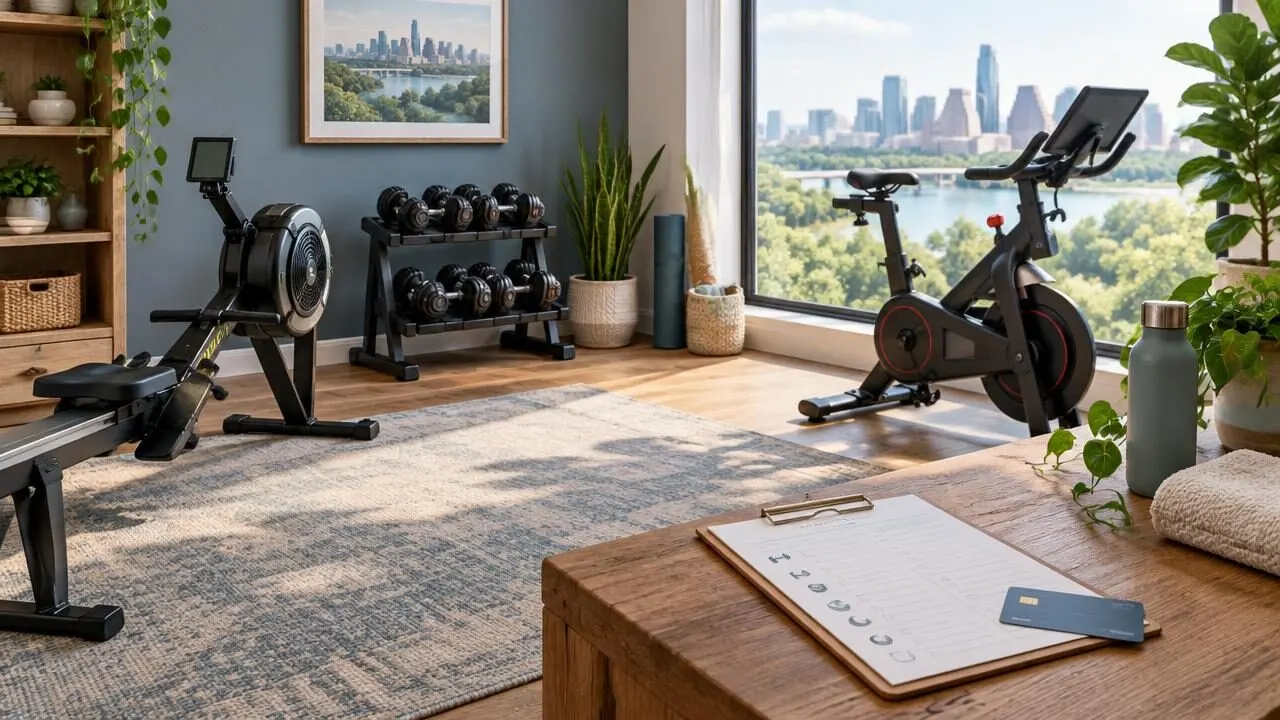
Every January I hear the same story. Someone bought a treadmill, a bike or a set of dumbbells with real intentions, and by March it was holding laundry. So when clients ask whether they can use HSA or FSA dollars on home fitness gear, my answer has two parts: sometimes yes, and the equipment only matters if it fits a plan you will follow. This is general information from a health coach, not tax or medical advice.
The short answer on eligibility
HSA and FSA funds are set aside for qualified medical expenses. Exercise equipment is what the IRS calls a dual-purpose item: plenty of people buy a rowing machine just because they enjoy rowing. To use pre-tax dollars, you generally need a Letter of Medical Necessity (LMN) from a licensed provider stating that the equipment helps treat, manage or prevent a diagnosed condition. Keep the letter with your receipt in case your plan administrator asks for it.
Conditions that commonly support an LMN
Exercise is a standard part of care for many conditions. Examples where a provider may document equipment as necessary include:
- High blood pressure or other heart-health concerns
- Prediabetes, type 2 diabetes or metabolic syndrome
- Obesity that a provider has diagnosed and is managing
- Arthritis, joint pain or chronic low-back pain, where low-impact movement helps
- Low bone density or age-related muscle loss
“I want to get in shape” is a goal, not a diagnosis. That difference decides most claims. Whether you qualify is up to the reviewing practitioner and your plan, never a blog post.
Match the equipment to your data, not the ad
As a coach, my main concern is whether the purchase will change your week. Before spending, I want to know what your body needs most:
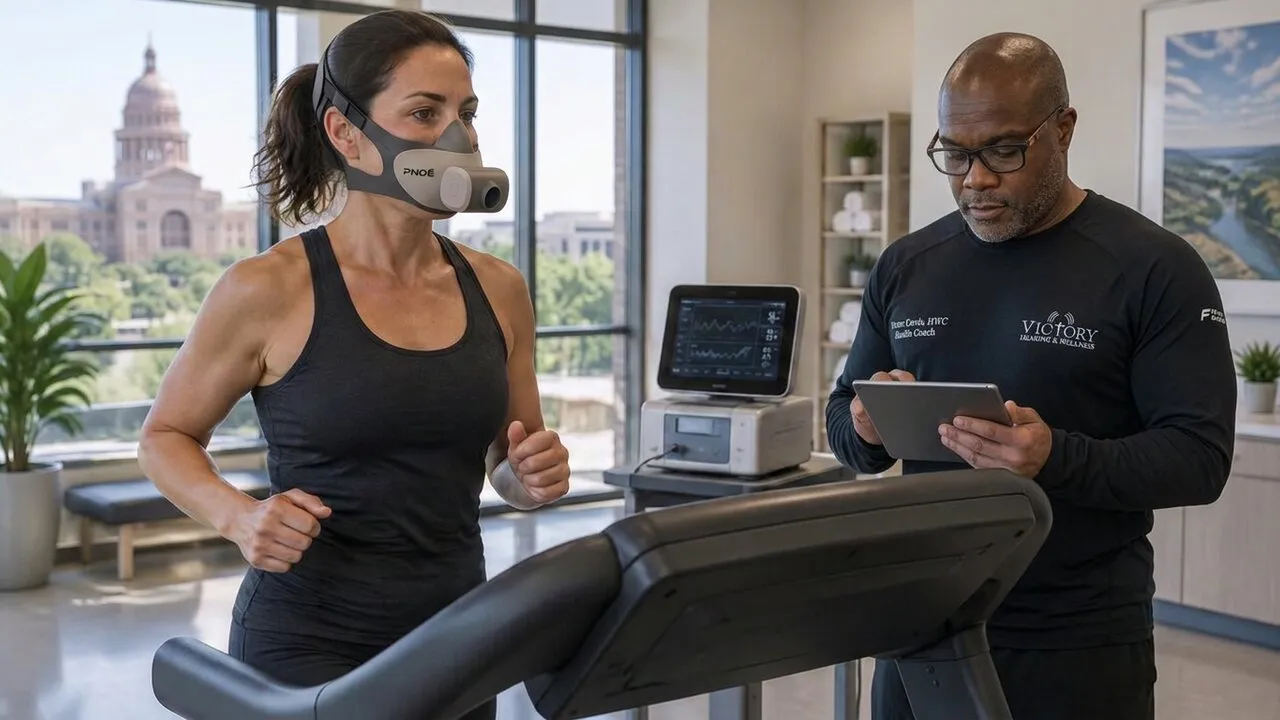
- Aerobic capacity is low. If a VO2 max test shows limited cardio fitness, a bike or rower that lets you do easy, conversational zone-2 sessions at home will help more than a heavy weight set.
- Muscle is the gap. If an InBody scan shows low skeletal muscle, adjustable dumbbells and a sturdy bench usually do more than any cardio machine.
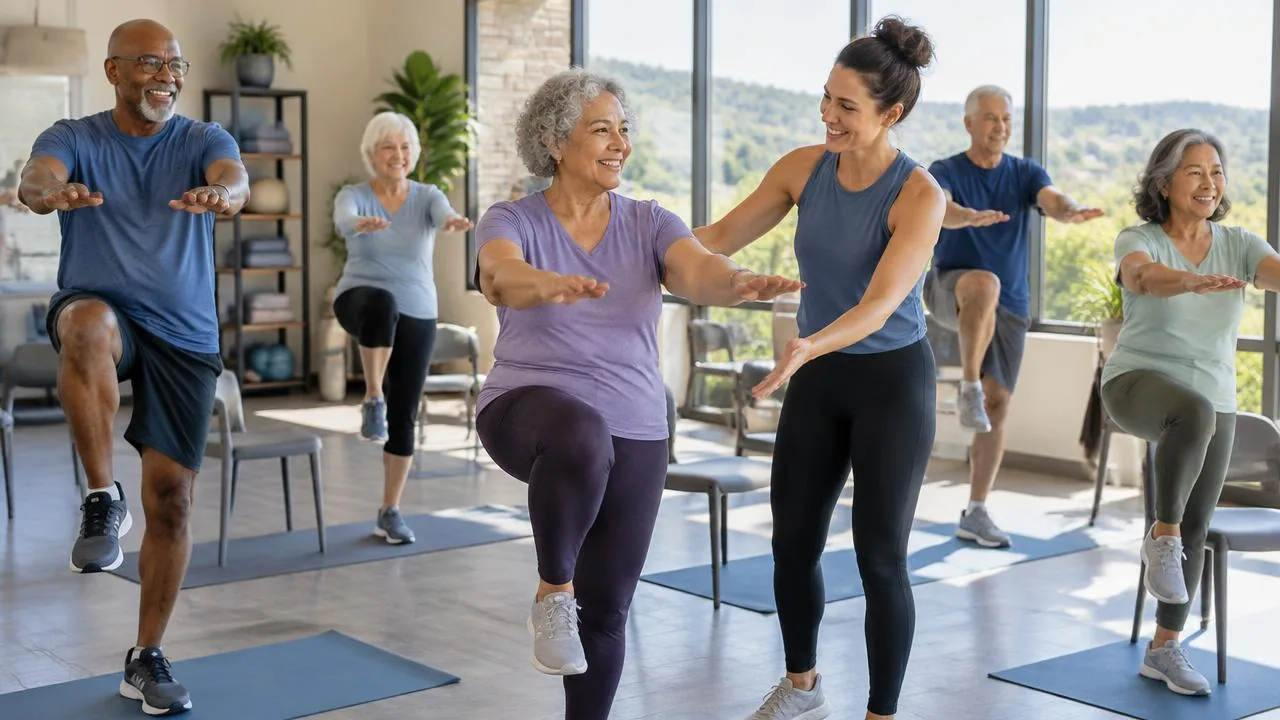
- Joints are the limit. Recumbent bikes, rowers and resistance bands let you train regularly without making knees or backs worse.
Measuring first keeps you from buying the wrong thing, and it gives us a baseline to re-check in 8 to 12 weeks.
The Central Texas factor
Austin summers are hard on outdoor routines. When the afternoon heat index tops 100°F, many people's daily walks quietly disappear for months. A single indoor cardio option is often what keeps step counts and heart health steady from June through September. That is a practical reason, not a medical one, but it is often the reason the equipment actually gets used.
How the Truemed process works
- Choose an eligible product or service from a Truemed partner.
- Fill out a short health questionnaire.
- An independent licensed practitioner reviews it and, if appropriate, issues an LMN.
- Pay with your HSA/FSA card or submit for reimbursement, and save the letter with your receipt.
Qualification is not guaranteed, and savings depend on your tax situation. Our HSA/FSA payments guide explains how this works for Victory programs and testing.
Make the purchase earn its place
A good rule: buy the one piece of equipment that supports the routine you will do three times a week, then build around it. Clients who pair new gear with a simple plan, regular check-ins and a re-test tend to keep using it. Clients who buy the most impressive machine without a plan tend to find a new coat rack.
When you are ready, browse the movement, recovery and home-tracking tools we have vetted, plus the Truemed eligibility check, in the Victory Wellness Shop.
FAQ
- Is home exercise equipment automatically HSA or FSA eligible?
- No. The IRS treats exercise equipment as dual-purpose, so it generally needs a Letter of Medical Necessity from a licensed provider that connects it to a diagnosed health condition. Your plan administrator makes the final call.
- Does Victory Health & Wellness write Letters of Medical Necessity?
- No. Our health coaches do not issue LMNs. Through our Truemed partnership, an independent licensed practitioner reviews a short health questionnaire and decides whether a letter is appropriate.
- How do I pick the right equipment?
- Choose the piece that matches the routine you will actually do. A baseline such as a VO2 max test or InBody scan helps show whether aerobic capacity, strength or joint-friendly movement should come first.
Get new articles by email
Grab the free Victory Wellness Guide and we'll send practical health tips and new articles to your inbox.
Ready to work on your health goals?
Our health and wellness team in West Lake Hills, Hutto, and virtually nationwide can build a plan around your goals.