
Blood Sugar and Hearing Loss: The Microvascular Connection
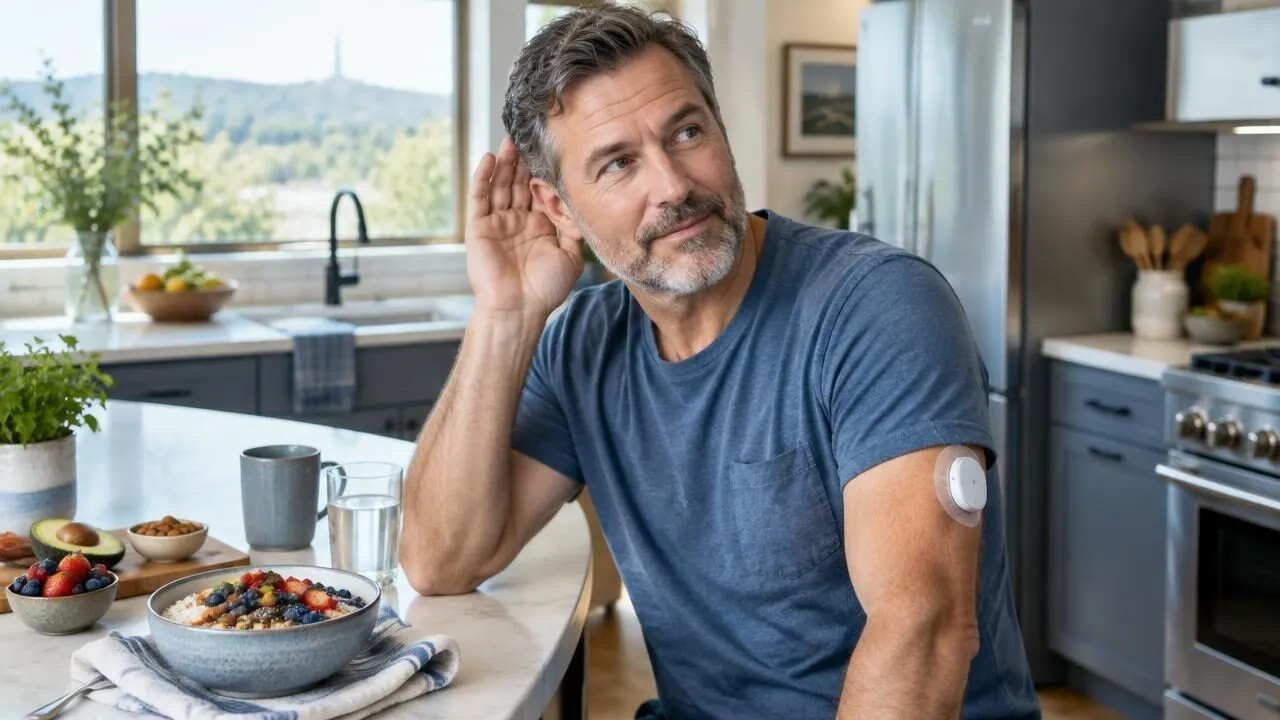
How blood sugar and small blood vessel health connect to the inner ear, what research shows, and simple habits to protect hearing. Austin coach guide.
Quick answer: Your inner ear relies on tiny blood vessels and delicate nerve cells. Studies show adults with diabetes have higher rates of hearing loss, and prediabetes is linked as well. Steady blood sugar supports small-vessel health across the body, so metabolic and hearing health are worth looking at together.
Written by Victor Davis, HWC. Educational information only — health coaches do not diagnose or treat medical conditions, including diabetes or hearing loss. See a licensed clinician or hearing professional about symptoms.
Why the inner ear is sensitive
The cochlea turns sound into nerve signals using thousands of tiny hair cells. It has no backup blood supply — it depends on very small arteries and capillaries. Anything that strains small blood vessels, including long-term high glucose, high blood pressure and smoking, can also strain the inner ear.
What research shows
- Large U.S. studies have found hearing loss is about twice as common in adults with diabetes as in those without it.
- Adults with prediabetes also show higher rates than those with normal glucose.
- Researchers think both blood-vessel and nerve changes play a role, though the exact mechanism is still being studied.
These are population patterns. They help explain why it makes sense to check hearing when blood sugar is a concern, not to predict what will happen to one person.
The same small vessels, many organs
Doctors already watch the eyes, kidneys and feet in people with diabetes because those organs depend on small vessels. The ear belongs on that list. When people work on glucose, they are supporting the whole small-vessel network at once.
Habits that support small-vessel health
Move after meals
A 10–15 minute walk after your largest meal can soften the glucose rise. A CGM shows the effect clearly.
Build meals around fiber and protein
Vegetables, beans, whole grains and protein slow how fast glucose enters the blood.
Protect sleep
Short sleep lowers insulin sensitivity the next day. A steady bedtime helps both glucose and energy.
Protect your ears from noise
Lawn equipment, concerts and power tools add up. Ear protection is a simple habit at any age.
Do not smoke
Smoking narrows small blood vessels and is linked to hearing loss on its own.
Check both sides of the picture
If you are working on blood sugar, take our free online hearing screener and share the result with your clinician. If you already know your hearing has changed, it is a good reason to ask your provider about glucose testing too.
Support in the Austin area
Victory offers 14-day CGM coaching and metabolic testing at our West Lake Hills and Hutto clinics, with coaching between visits by video. Start with a free wellness consultation.
FAQ
- Can high blood sugar affect hearing?
- Research links diabetes and prediabetes with higher rates of hearing loss. The inner ear depends on very small blood vessels and nerves, and long-term high glucose can affect both. A link in studies does not mean high blood sugar is the cause for any one person.
- What does microvascular mean?
- Microvascular refers to the body's smallest blood vessels, the capillaries. They feed the eyes, kidneys, nerves and the inner ear, which is why blood sugar health matters for all of them.
- Should people with prediabetes get a hearing check?
- A hearing check is a simple, low-cost step for anyone noticing changes, and many hearing professionals suggest regular screening for adults with diabetes. Our free online screener is a quick place to start; a full exam is done by a hearing professional.
- Can better blood sugar habits protect hearing?
- No habit can promise to prevent hearing loss. The same routines that support steady glucose — regular movement, fiber-rich meals, good sleep and not smoking — also support healthy blood vessels throughout the body.
- Where can I get help in the Austin area?
- Victory Health & Wellness offers CGM coaching and metabolic testing at our West Lake Hills and Hutto clinics. Hearing exams are provided separately by licensed hearing professionals.
Ready to work on your health goals?
Our health and wellness team in West Lake Hills, Hutto, and virtually nationwide can build a plan around your goals.