After-Dinner Habits for Blood Sugar: A Coach's Guide
By Victor Davis, Health Coach, Victory Health & Wellness.
Dinner is finished, the dishes are waiting, and the couch is calling. That stretch between your evening meal and bedtime is a useful place to build a small health habit—not another strict routine to get perfect.
My coaching approach is to start with what fits your real evening. A comfortable walk, fewer long stretches of sitting and a more consistent wind-down can be worthwhile without turning dinner into a test. If you use a continuous glucose monitor (CGM), the readings add context. They should not become a reason to fear food or chase a perfectly flat line.
Start with an easy after-dinner walk
If walking is comfortable and appropriate for you, try a short stroll after dinner. Keep the effort easy enough to talk. A ten-minute loop is one practical starting point, not a required dose or a promise about your blood sugar.
In a randomized crossover study of 41 adults with type 2 diabetes, advice to walk for ten minutes after each main meal reduced post-meal glucose exposure more than advice to take one thirty-minute daily walk.1 That supports the value of timing movement around meals in that group. It does not prove that the same routine produces a specific overnight result for every reader.
In Hutto or West Lake Hills, choose a familiar, well-lit route and consider heat, uneven sidewalks and traffic. Walking indoors is a sensible alternative. If balance, pain or mobility limits walking, ask your clinician or physical therapist about appropriate options. Stop if activity causes dizziness, chest discomfort or unusual breathlessness.
Break up the evening sitting stretch
A walk is not the only opportunity to move. Clearing the table, putting dishes away or taking a comfortable movement break between episodes can help you avoid spending the entire evening in one position. Think of these as ways to add everyday activity, not as substitutes for your usual exercise plan or diabetes care.
Choose a cue that already happens: “After I put my plate away, I will walk for a few minutes.” A small habit tied to dinner is often easier to repeat than a vague intention to exercise more.
Look at dinner timing without imposing a cutoff
There is no magic rule that everyone must finish eating by 7 p.m. Shift work, family schedules and medical needs differ. Still, if a large dinner right before bed is your usual pattern, meal timing may be worth discussing.
A small randomized crossover trial in healthy volunteers compared dinner at 10 p.m. with dinner at 6 p.m., keeping bedtime fixed. The later dinner produced higher post-meal glucose.2 This was a short, controlled experiment—not proof that an earlier dinner prevents diabetes or that everyone needs the same eating window.
If your schedule allows, see whether moving dinner earlier makes your evening more comfortable. Do not skip needed meals, start fasting or remove a bedtime snack recommended by your clinician to improve a graph. People taking insulin or other glucose-lowering medications should discuss changes in activity, meal timing or snacks with their care team.
Make room for sleep, not more rules
Evening habits are also about recovery. Choose a realistic bedtime, leave room to wind down and keep the routine reasonably consistent. Our guide to sleep and healthy aging explains how sleep fits into whole-person wellness.
A useful check-in is: “Did my evening help me get to bed feeling settled?” That question is more practical than judging the night by one morning glucose reading. Persistent sleep problems, loud snoring or pronounced daytime sleepiness deserve a conversation with your clinician.
Where CGMs help—and where they do not
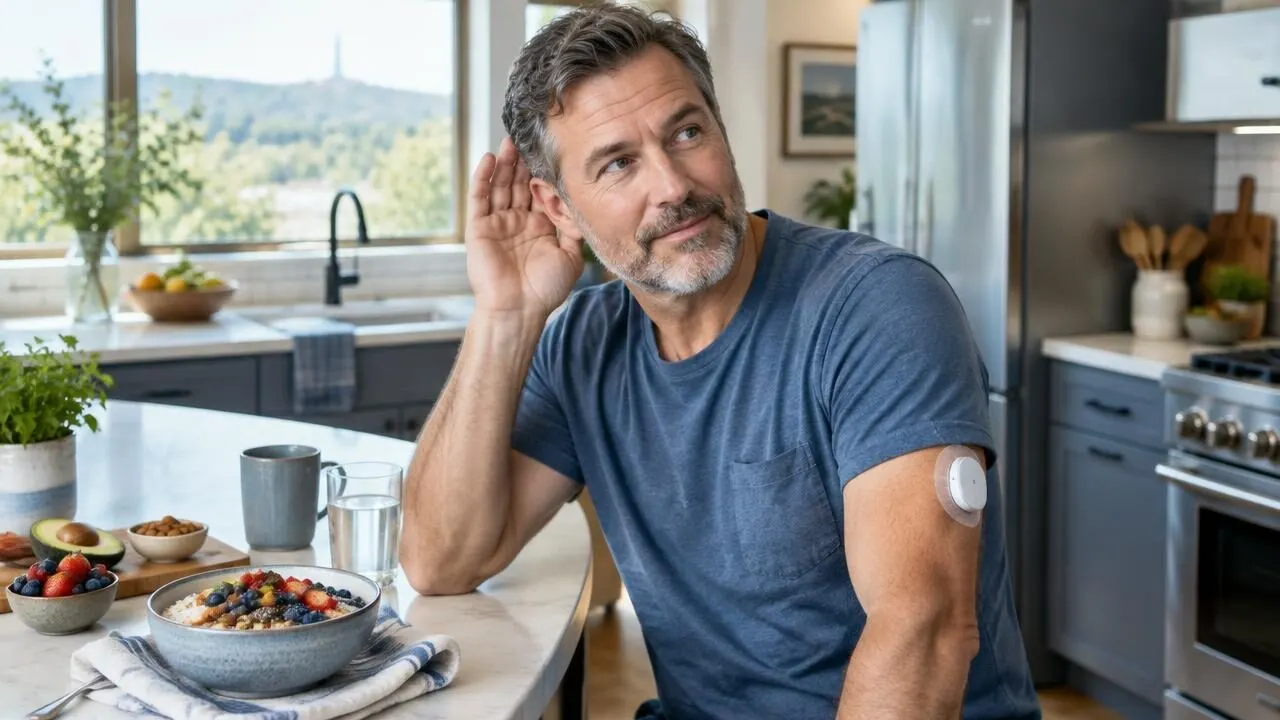
A CGM measures glucose in fluid around your cells, rather than directly measuring blood glucose. It can show patterns across meals, movement and sleep, but glucose normally changes after eating. One rise does not diagnose a condition or make a meal “bad.”
The FDA has cleared an over-the-counter CGM for certain adults who do not use insulin, including some people without diabetes. That clearance does not mean everyone needs a sensor. The FDA advises against making medical decisions from its readings without a healthcare professional; the cleared device described in its announcement is not intended for people with problematic hypoglycemia.3 Check the instructions and eligibility for your specific device.
Expert guidance on CGM use in people without diabetes emphasizes the limits of interpretation.4 Long-term health benefits from routine monitoring in this population remain unestablished. If tracking makes you anxious or leads you to cut nutritious foods just to flatten a graph, bring that concern to your clinician.
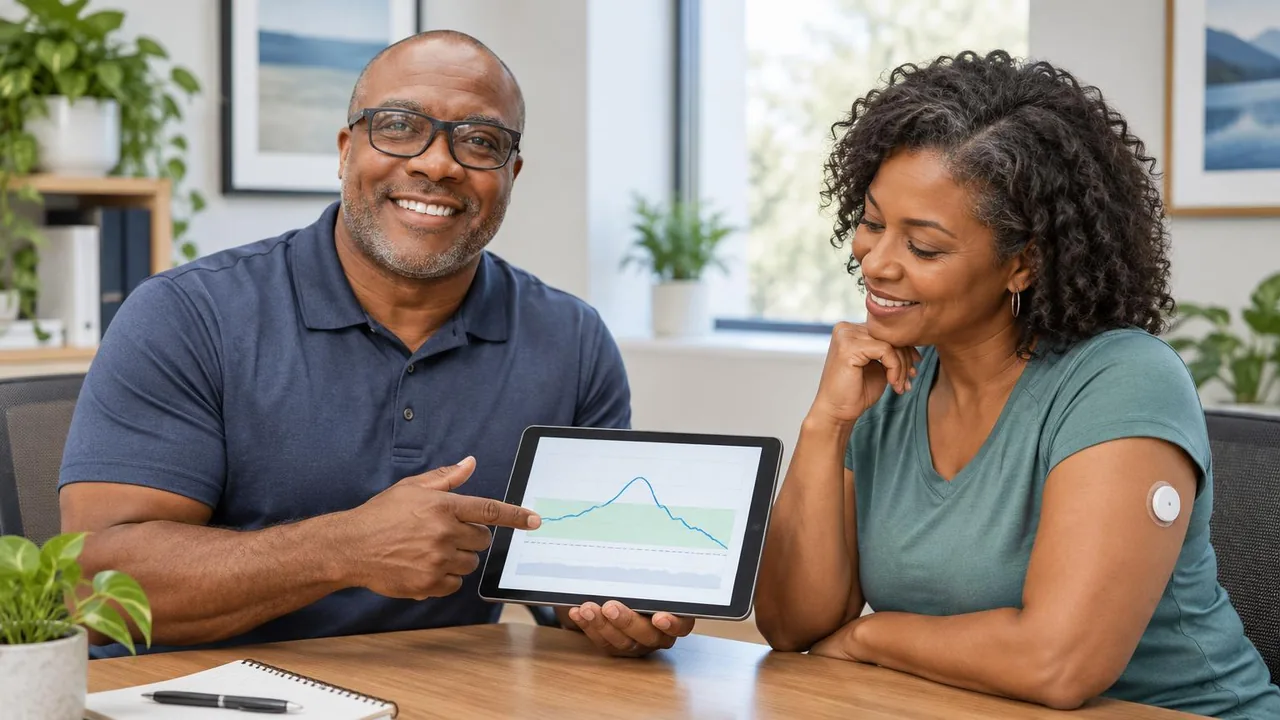
If you already use a CGM, note dinner time, movement and sleep alongside the readings. Look for repeated patterns rather than reacting to a single night. Your licensed clinician sets medical targets, evaluates unusual readings and directs treatment. Symptoms or repeated concerning readings need clinical review—not a more restrictive coaching experiment.
A simple starting point for this week
- Choose one habit: an easy after-dinner stroll or a consistent wind-down.
- Keep it manageable: fit the habit around your abilities, weather and schedule.
- Notice the experience: record whether it was comfortable and repeatable. A sensor is optional.
- Review, do not judge: adjust the routine with your coach; take medical questions to your clinician.
You do not need a new device, supplement or perfect dinner to begin. The goal is a routine you can keep—not a guaranteed overnight glucose number.
Get coaching in Hutto or West Lake Hills
At Victory Health & Wellness, we help adults turn nutrition, movement, sleep and stress goals into practical habits. Explore CGM testing and coaching if you want to discuss whether sensor-guided learning fits your goals, or start with health coaching without a device.
Meet with us in Hutto or West Lake Hills, or connect virtually nationwide. Book a free discovery call to talk about an evening routine that fits your life.
Sources
- Reynolds AN et al. Advice to walk after meals is more effective for lowering postprandial glycaemia in type 2 diabetes mellitus than advice that does not specify timing: a randomised crossover study. Diabetologia. 2016. Read the study.
- Gu C et al. Metabolic Effects of Late Dinner in Healthy Volunteers—A Randomized Crossover Clinical Trial. Journal of Clinical Endocrinology & Metabolism. 2020. Read the study.
- U.S. Food & Drug Administration. FDA Clears First Over-the-Counter Continuous Glucose Monitor. 2024. Read the FDA announcement.
- Expert review of interpreting continuous glucose monitoring reports in individuals without diabetes. 2025. Read the open-access review.
This article is educational. Health coaching does not diagnose or treat diabetes, manage medication or replace medical care. Follow your clinician's guidance for glucose monitoring, activity and meals.
FAQ
- Can a short walk after dinner help blood sugar?
- Research in adults with type 2 diabetes found that short walks after meals reduced post-meal glucose more than one daily walk of the same total duration. An easy walk can be a practical movement habit, but it does not guarantee a particular overnight reading. Follow your clinician's activity guidance if you have diabetes or other medical conditions.
- What time should I stop eating at night?
- There is no universal dinner cutoff. A small controlled study found higher post-meal glucose with a 10 p.m. dinner than a 6 p.m. dinner, but that does not establish one ideal schedule. Consider your work hours, hunger and bedtime; follow any meal or snack plan provided by your clinician.
- Do I need a CGM to improve my evening habits?
- No. You can build a walking and sleep routine without a sensor. A CGM is an optional learning tool, and long-term health benefits from routine use in people without diabetes are not established. Device eligibility varies; your clinician should interpret concerning readings and set medical targets.
- Can Victory help me understand evening CGM patterns?
- Victory Health & Wellness offers CGM coaching in Hutto, West Lake Hills and virtually. Coach Davis helps connect meal, movement and sleep notes with patterns to support sustainable habits. Health coaches do not diagnose diabetes, set medical glucose targets or change medications; those decisions belong with your licensed clinician.
Get new articles by email
Grab the free Victory Wellness Guide and we'll send practical health tips and new articles to your inbox.
Ready to work on your health goals?
Our health and wellness team in West Lake Hills, Hutto, and virtually nationwide can build a plan around your goals.