Daily Movement for Healthspan: Build a Habit That Sticks
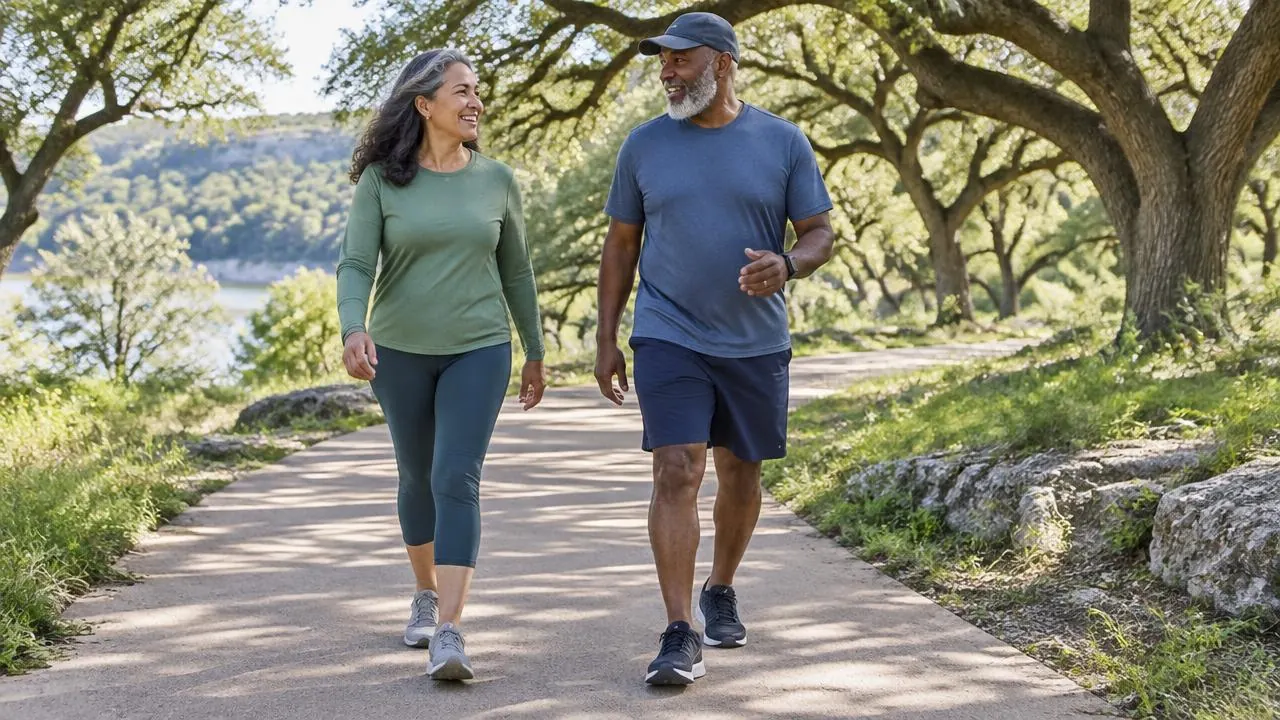
By Victor Davis, Health Coach, Victory Health & Wellness.
A longevity headline can make exercise sound like a transaction: move for a certain number of minutes and collect extra years. I would rather help you answer a more useful question: What kind of movement can you make room for this week—and still want to do next month?
At Victory, healthspan means the capacity to keep participating in your life: carrying groceries, enjoying time outdoors, traveling or playing with your grandchildren. Daily movement belongs in that conversation. It does not need to start with a punishing workout, a perfect step count or an expensive test.
What the longevity research actually tells us
A Health article about daily habits and longevity highlights regular physical activity. The practical takeaway is worthwhile; the suggestion that one habit adds a set number of years needs context.
In a prospective study of 416,175 adults in Taiwan, researchers followed participants for an average of about eight years. Compared with inactive participants, the low-activity group—averaging 92 minutes of exercise weekly—had a 14% lower relative risk of death from any cause and an estimated three-year longer life expectancy. Those are group-level associations, not an individual forecast. Wen and colleagues, The Lancet, 2011.
The study used self-reported activity and was observational. Differences in health and other habits can influence the findings, and illness itself can make people less active. It does not prove that a daily walk will give you three extra years. It does support taking a modest, repeatable starting point seriously rather than assuming that only long workouts matter.
Daily movement is not the same as going hard every day
The American College of Lifestyle Medicine's physical activity guidance includes aerobic activity, resistance training, flexibility, balance and functional movement, alongside less sedentary time. It emphasizes adapting movement to a person's health, abilities, preferences and goals.
That is a broader picture than a daily gym streak. Walking can support your aerobic routine. Strength work challenges muscles in a different way. Balance and mobility practice can help you work on everyday movement skills. Recovery belongs in the week, too.
U.S. physical activity guidelines recommend 150–300 minutes of moderate-intensity aerobic activity weekly and muscle-strengthening activity on at least two days for adults. These are general goals to work toward, not an entry requirement. Short bouts count; some activity is better than none. Your starting amount may be much smaller.
Coach Davis's starting point: make one appointment with movement
Here is an example—not a personalized exercise prescription—for someone who wants to be more active and can walk comfortably:
- Pick a cue you already have. After your morning coffee, after lunch or when you finish work. Attach movement to something that actually happens.
- Choose a manageable version. Perhaps a five- or ten-minute walk on a safe, level route. If that is too much, choose a shorter duration or discuss an accessible alternative with your clinician or trainer.
- Put three opportunities on the coming week's calendar. This is a starting experiment, not a target proven to extend lifespan.
- Prepare the backup. An indoor route for heat or rain, a shorter option when time is tight, or company if connection helps you follow through.
- Review the fit. At week's end, ask what made movement easier and what got in the way. Change the plan before you blame yourself.
A comfortable walk is useful movement even if it is not brisk enough to count as moderate-intensity exercise. When you are ready to progress, build duration and intensity gradually rather than trying to make up for missed days.
Track participation before chasing numbers
For the first week, a simple check mark may be enough. Note the activity, approximate minutes and whether it felt manageable. Steps are optional; they are not a grade. Walking is also not the only option—cycling, swimming or adapted movement may fit your needs better.
Choose a meaningful goal beyond the tracker: walking with a friend, feeling more prepared for a trip or establishing a routine between workdays. Body composition and fitness measurements can add information later, but the first question is whether the habit fits your life.
Where Victory programs and services fit
Different obstacles call for different kinds of support. At Victory, we help you choose the next step rather than treating every movement goal as a reason to order testing.
- Consistency is the obstacle: explore the Habit Transformation Program for progressive habit challenges and regular coach check-ins. We can discuss how movement fits alongside your nutrition, sleep and daily routines.
- You need exercise guidance: personal training helps with exercise selection, technique and progression. The Strength & Lean Muscle Program adds nutrition coaching and coordination with your strength routine when that is the right fit.
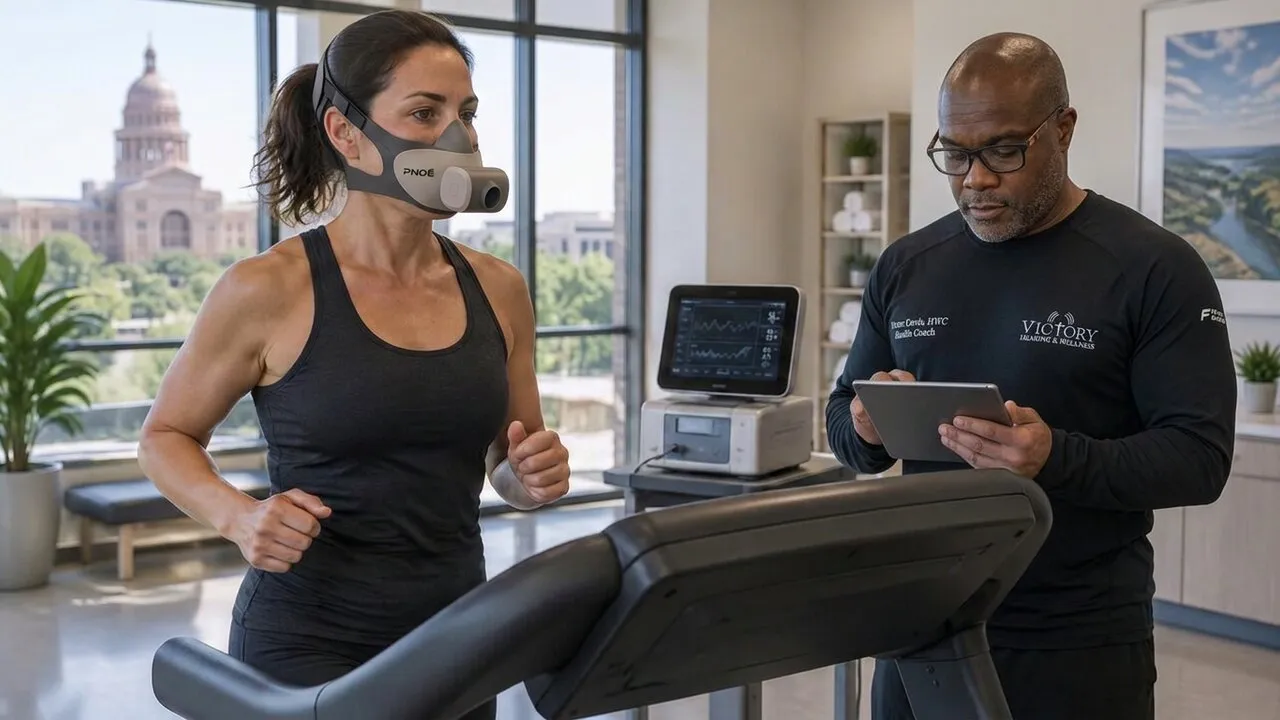
- You have a specific aerobic-fitness question: PNOĒ VO₂ max testing measures exercise oxygen use. Testing-only options and personalized coaching plans are separate offerings; neither is required to begin a walking habit.
- You want body-composition trends: an InBody scan estimates muscle, fat and body water. Consistent preparation matters for comparisons, and the scan is not a diagnosis or a longevity score.
Coaching and all eight Victory coaching programs are available virtually nationwide through the Victory Coaching App, with local coaching options in Hutto and West Lake Hills. In-person testing is separate; confirm the location and appointment details before booking.
Keep movement connected to the rest of your health
At Victory, physical activity sits alongside whole-food nutrition, restorative sleep, stress management, social connection and coordinated medical health. A walk with a friend may make movement more enjoyable, but it does not replace sleep or needed medical care. For the broader picture, read our healthspan after 60 guide or explore Victory's Lifestyle Medicine Pillars.
If you have a medical condition, recent surgery, unexplained symptoms or concerns about safe activity, discuss your plan with a licensed clinician. Stop activity and seek appropriate care for symptoms such as chest pain, fainting or unusual shortness of breath. Health coaching helps with goals and follow-through; it does not diagnose, treat disease or provide medical clearance.
Your next step: a routine you can repeat
You do not need to earn a place in an exercise program by getting fit first. Bring your current routine, the obstacle you keep running into and one activity you would like to enjoy. Book a free Victory consultation to discuss a practical starting point and whether coaching, training or an optional measurement would help.
Sources and further reading
- Wen CP et al. Minimum amount of physical activity for reduced mortality and extended life expectancy: a prospective cohort study. The Lancet. 2011;378:1244–1253. PubMed: PMID 21846575.
- American College of Lifestyle Medicine. Physical activity as medicine for chronic disease. Professional guidance; not a study of Victory services.
- U.S. Department of Health and Human Services. Physical Activity Guidelines for Americans: key guidance.
- Health. The #1 Daily Habit To Do for Longevity, According to Experts. Background reading; the research and guidance above are linked directly to their sources.
This article is educational health-coaching information, not medical advice or a promise of lifespan or health outcomes.
FAQ
- Does daily exercise guarantee a longer life?
- No. Large studies associate physical activity with lower mortality risk, but they cannot predict an individual's lifespan. Movement is a useful health habit, not a promise of extra years.
- Can short walks count toward weekly activity?
- Yes. Current U.S. guidelines do not require activity to last at least ten minutes to count. Brisk walking can contribute to moderate-intensity activity; a slower walk is still a useful way to move more and interrupt sitting.
- Do I need a VO2 max test or an InBody scan to start moving?
- No. Testing is optional and should answer a specific question. VO2 max testing measures aerobic fitness; an InBody scan estimates body composition. Neither measures how many years you will live, and neither replaces medical clearance when needed.
- Can Victory help me build a movement routine virtually?
- Yes. Victory offers health coaching and its coaching program collection virtually nationwide through the Victory Coaching App. In-person wellness testing is separate from virtual coaching. A consultation helps identify the program or service that fits your goals.
Get new articles by email
Grab the free Victory Wellness Guide and we'll send practical health tips and new articles to your inbox.
Ready to work on your health goals?
Our health and wellness team in West Lake Hills, Hutto, and virtually nationwide can build a plan around your goals.