Grip Strength and Healthy Aging: Signs, Checks and Next Steps
By Victor Davis, Health Coach, Victory Health & Wellness.
Nobody books a coaching session because their handshake got weaker. They come in because the stairs feel harder, the grocery bags feel heavier or they are worried about a fall. But when I look at how strength changes with age, grip is often one of the first places it shows up—and one of the easiest to measure.
Why grip strength is worth paying attention to
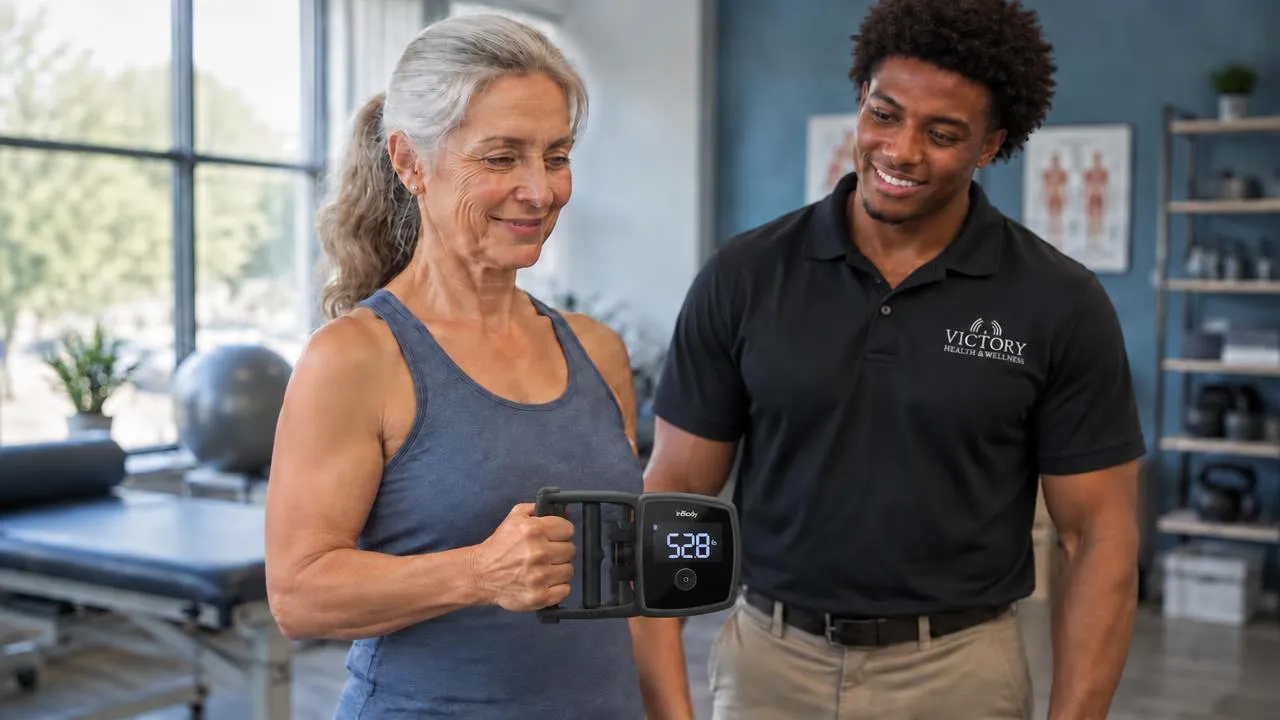
Grip strength is not just about your hands. It reflects how strong your muscles are overall, and it is simple to test with a hand dynamometer. In a study of nearly 140,000 adults across 17 countries, lower grip strength was associated with higher risk of death from any cause and from cardiovascular disease.1 A large UK Biobank analysis found similar associations.2
Those are patterns across large groups, not a forecast for any one person. What they tell me as a coach is that strength is worth tracking, and that losing it quietly is common. European sarcopenia guidelines use low grip strength as a first signal that a clinician should look more closely at muscle health.3
Everyday signs your grip may be slipping
- Jars, bottles or pill containers are harder to open.
- You make more trips because grocery bags feel heavy.
- Turning keys, doorknobs or faucets takes extra effort.
- You need two hands to lift a pan, a gallon of milk or a laundry basket.
- You let go of a railing or dog leash sooner than you expect.
Gradual changes like these are often related to less use and less strength training. Sudden, one-sided or painful weakness, numbness or tingling is different—it can signal a nerve, joint or neurological problem and should be checked by a physician promptly.
How we measure strength and muscle at Victory
A single number is a starting point, not a verdict. At our Hutto and West Lake Hills clinics, we can pair a simple strength check with an InBody 580 body composition scan, which shows lean mass in each arm, each leg and the trunk. That helps explain whether weakness is showing up in one area and gives you a baseline to retest.
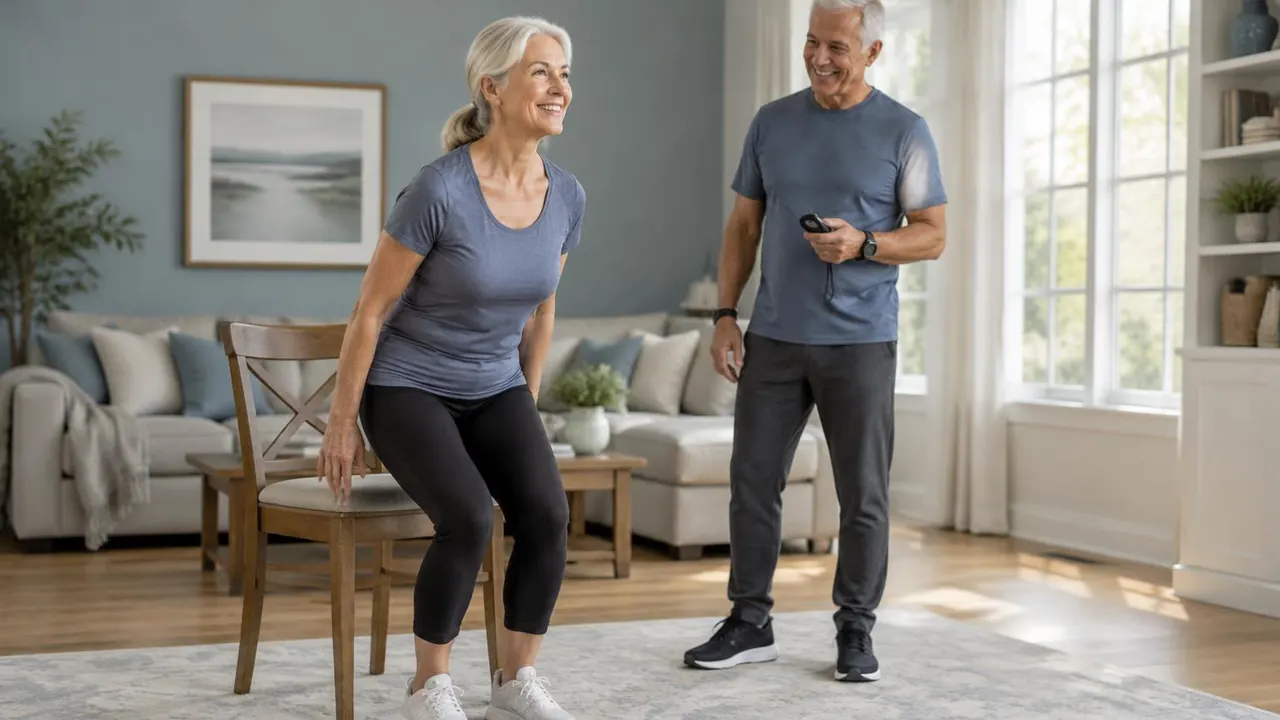
Because grip, leg strength and balance tend to change together, it also helps to look at the whole picture. Our free Fall Risk Checkup takes about two minutes, and our guide to four at-home fitness checks walks through chair stands, balance and walking tests you can do safely with a partner.
What actually builds a stronger grip
Squeezing a stress ball while watching TV is fine, but it is not the main event. Grip improves best as part of full-body strength training. In older adults, progressive resistance training reliably improves strength.4 A few moves I use often:
- Farmer's carries: hold a weight in each hand and walk tall for 20–40 steps.
- Rows: with a band, cable or dumbbell, to build the back and forearms together.
- Hinge patterns: lifting from the floor with good form, scaled to your level.
- Dead hangs or assisted hangs: only if your shoulders tolerate them.
- Simple hand work: towel wrings, putty squeezes or rubber-band finger extensions.
Start lighter than you think, train two to three days a week, and add weight or time gradually. Protein, sleep and regular movement support the process too. If you have arthritis, a past injury or a heart condition, talk with your physician first.
How Victory coaching helps
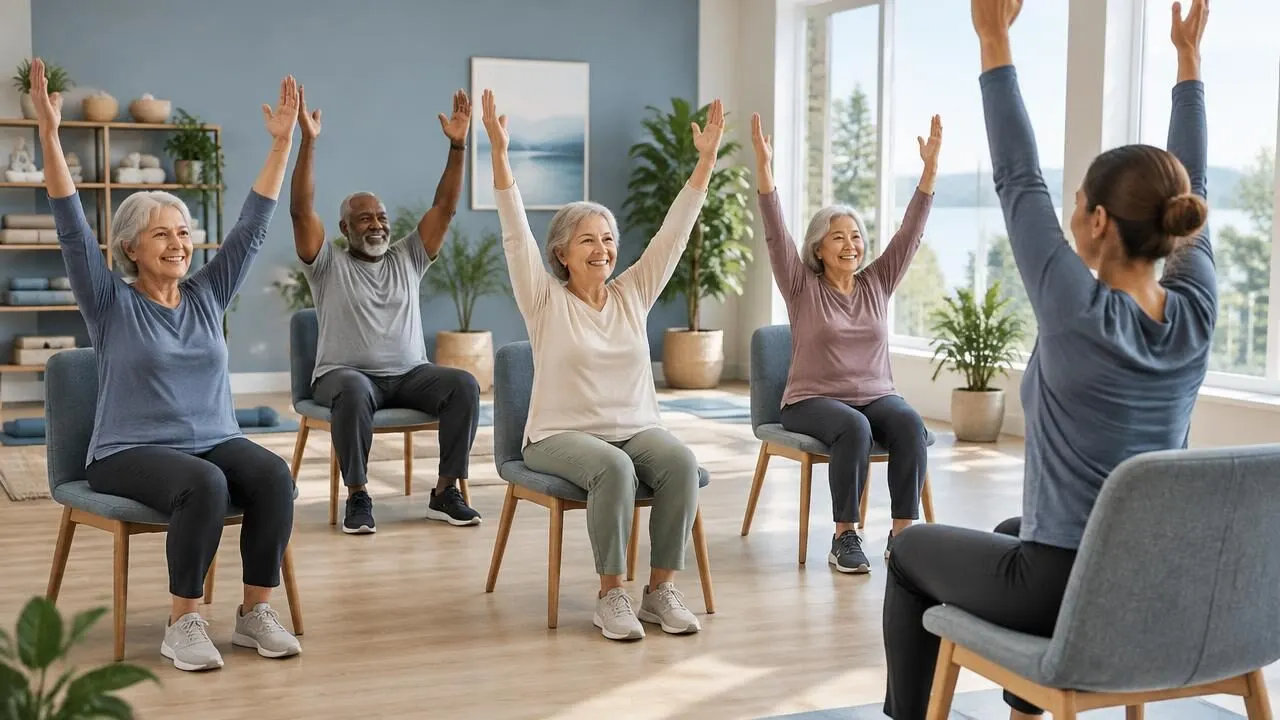
Our healthy aging coaching and personal and online coaching turn these ideas into a plan you will actually follow. We measure, set a realistic goal, build progressive strength and balance work around your schedule, and retest so you can see your progress. Coaching is available in Hutto and West Lake Hills and virtually nationwide. Health coaching supports your habits; it does not diagnose or treat disease.
Want to know where you stand? Book a free discovery call or schedule an InBody 580 scan to get your baseline.
Sources
- Leong DP et al. Prognostic value of grip strength: findings from the Prospective Urban Rural Epidemiology (PURE) study. Lancet. 2015;386(9990):266–273. PubMed: PMID 25982160.
- Celis-Morales CA et al. Associations of grip strength with cardiovascular, respiratory, and cancer outcomes and all cause mortality: prospective cohort study of half a million UK Biobank participants. BMJ. 2018;361:k1651. PubMed: PMID 29739772.
- Cruz-Jentoft AJ et al. Sarcopenia: revised European consensus on definition and diagnosis. Age and Ageing. 2019;48(1):16–31. PubMed: PMID 30312372.
- Peterson MD et al. Resistance exercise for muscular strength in older adults: a meta-analysis. Ageing Research Reviews. 2010;9(3):226–237. PubMed: PMID 20385254.
Safety note: This article is educational and is not a medical diagnosis. Stop any exercise that causes pain, numbness or dizziness, and talk with your physician before starting a new strength program. Health coaching does not diagnose or treat disease.
FAQ
- Why does grip strength matter for healthy aging?
- Grip strength is a quick, practical marker of overall muscle strength. Large studies associate lower grip strength with higher risk of disability and earlier death across groups of people. It cannot predict your individual future, but it is a useful baseline to track.
- What are common signs my grip is getting weaker?
- Trouble opening jars, carrying grocery bags, turning doorknobs or keys, holding a pan steady, or needing two hands for things you used to do with one. New, sudden or one-sided weakness, numbness or tingling should be checked by a physician promptly.
- Can I improve grip strength at any age?
- Strength usually responds to consistent, progressive training at any age. Carries, rows, deadlift patterns and simple hand exercises all help, and full-body strength work matters more than squeezing a gadget. Check with your physician before starting if you have joint, nerve or heart concerns.
- Does Victory diagnose sarcopenia or muscle loss?
- No. Victory's health coaches do not diagnose conditions. An InBody 580 scan shows lean mass by body segment and can be shared with your physician, who can evaluate sarcopenia or other causes of weakness. Coaching then helps you build a sustainable strength routine.
Get new articles by email
Grab the free Victory Wellness Guide and we'll send practical health tips and new articles to your inbox.
Ready to work on your health goals?
Our health and wellness team in West Lake Hills, Hutto, and virtually nationwide can build a plan around your goals.